Introduction
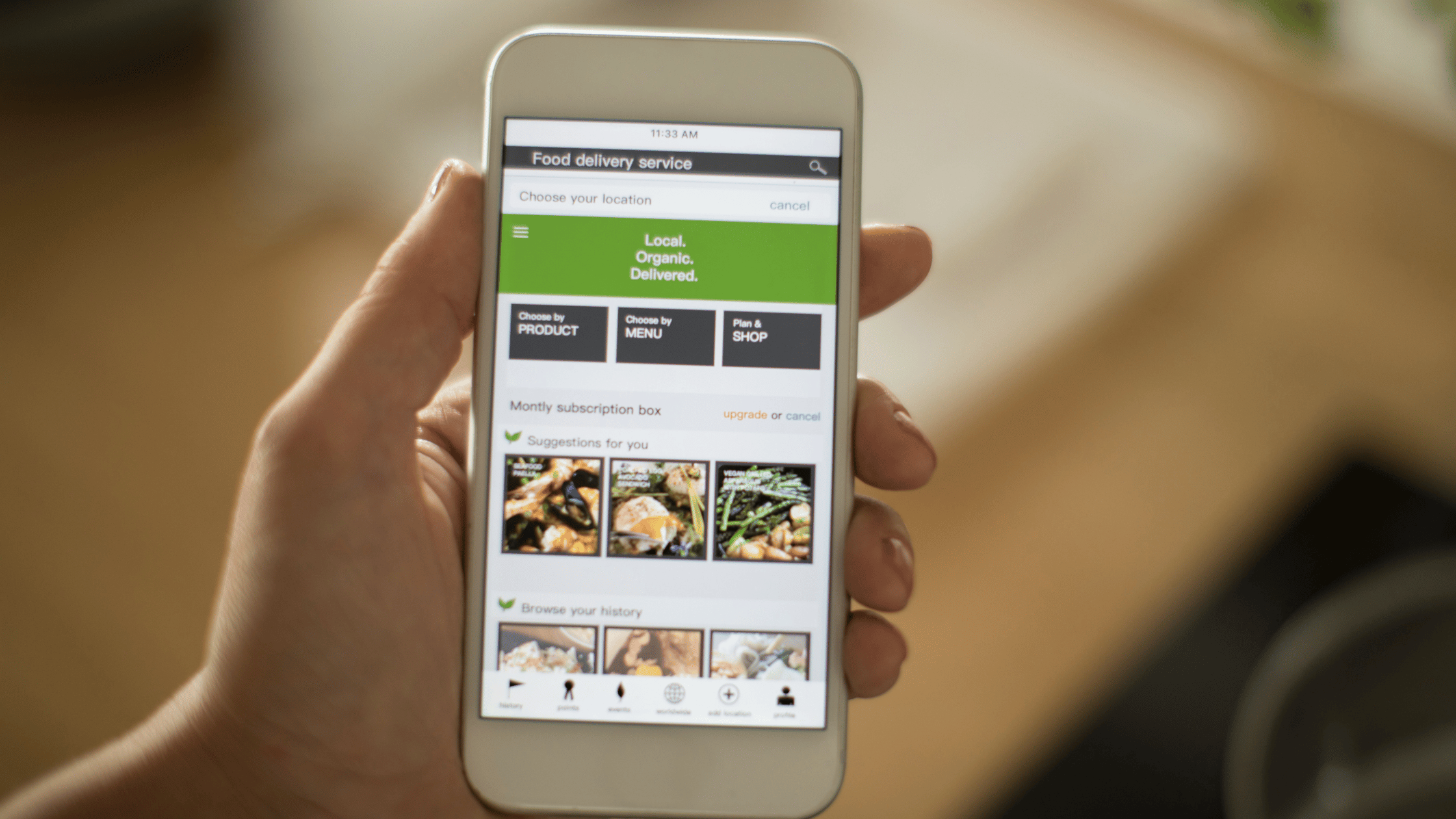
The modern transportation industry is experiencing one of the most dramatic evolutions in its history, and at the heart of this transformation is delivery app technology. What began as a convenience for ordering takeout has now grown into a powerful ecosystem that impacts how goods and services move from place to place. From food and groceries to electronics and pharmaceuticals, delivery apps are redefining expectations for speed, transparency, and convenience.
As consumers increasingly demand faster and more reliable deliveries, businesses are being pushed to innovate, and traditional transportation models are being reshaped. Whether it’s optimizing the last-mile delivery, enabling gig economy jobs, or driving real-time logistics visibility, delivery apps are no longer just supporting transportation—they are actively redefining it.
The Rise of Delivery Apps in the Digital Economy
The proliferation of smartphones, high-speed internet, and GPS technology has set the stage for delivery apps to flourish. Giants like Uber Eats, Grab, DoorDash, and Gojek, along with courier services such as Lalamove and Deliveree, have revolutionized how we think about moving goods.
Key drivers of this boom include:
- Consumer convenience: People can order almost anything with a few taps.
- Business adaptability: Retailers and restaurants use apps to expand without investing in infrastructure.
- Gig workforce: Apps enable flexible, part-time employment in the delivery space.
As the e-commerce and on-demand economies grow, the role of delivery apps will only become more central.
Optimizing the Last Mile: Speed, Tracking, and Efficiency
The “last mile” of delivery—getting a product from a distribution hub to the customer’s doorstep—is often the most expensive and logistically complex part of transportation. Delivery apps are making significant strides in addressing these challenges through:
1. Route Optimization Algorithms
Apps use real-time traffic data, weather conditions, and customer availability to dynamically reroute drivers, saving time and fuel.
2. Live Tracking and Communication
Customers can track drivers on a live map, receive ETAs, and communicate directly—reducing failed deliveries and increasing satisfaction.
3. Batch Deliveries and Smart Dispatching
Advanced platforms can group multiple orders going to nearby locations, reducing the number of trips required and lowering delivery costs.
As a result, delivery apps are not just delivering faster—they are helping logistics companies become leaner and more efficient.
Reshaping Urban Mobility and Infrastructure
The rise of delivery apps is also impacting how urban transportation functions:
1. Increased Demand for Two-Wheel and Small Vehicles
Scooters, motorcycles, and bicycles have become primary modes of delivery in dense urban areas, easing congestion and offering faster maneuverability compared to cars.
2. Temporary Hubs and Micro-Fulfillment Centers
To support faster deliveries, companies are setting up small local warehouses or pickup points in neighborhoods, reducing reliance on large, centralized depots.
3. Data-Driven City Planning
The vast amount of delivery data collected helps city planners understand traffic patterns, peak hours, and high-demand zones, aiding smarter transport infrastructure decisions.
In some cities, designated delivery lanes and parking zones are being created specifically in response to the surge in app-based deliveries.
Fueling the Gig Economy and Workforce Mobility
One of the most visible impacts of delivery app technology is the rise of independent couriers. Platforms like Foodpanda, Grab, and Gopuff have enabled thousands of individuals to earn income with flexible schedules and minimal requirements.
Key Benefits:
- Entry-level job access for youth and the unemployed.
- Flexibility in choosing working hours and routes.
- Opportunities to scale income with performance incentives.
However, this model also presents challenges:
- Lack of job security and benefits.
- Exposure to health and accident risks.
- Earnings often tied to platform algorithms and customer tips.
Despite this, delivery apps have created a new category of mobile work that has become essential in many economies, especially during crises like the COVID-19 pandemic.
Transforming B2B and Enterprise Transportation Models
While most people associate delivery apps with consumer goods, their influence in B2B logistics is growing rapidly. Platforms like Lalamove, Borzo, and Ninja Van provide same-day and scheduled deliveries for businesses, offering:
- On-demand trucking and courier services.
- Warehouse-to-retail store restocking.
- Real-time proof of delivery and invoicing systems.
By digitizing and automating logistics for SMEs and large enterprises, delivery apps are streamlining supply chains and improving customer service while reducing operational overhead.
The Role of AI, Automation, and Future Technologies
As delivery platforms evolve, they are increasingly integrating cutting-edge technologies:
1. Artificial Intelligence
- Predictive demand forecasting.
- Automated dispatching and driver assignment.
- Customer behavior modeling for smarter promotions.
2. Drones and Autonomous Vehicles
Companies like Amazon and JD.com are experimenting with drones and self-driving delivery bots, aiming to reduce human dependency and increase speed in areas with limited access.
3. Blockchain for Secure Logistics
Some startups are exploring blockchain for secure and verifiable delivery chains—especially for high-value or sensitive items like legal documents and medical supplies.
These technologies are shaping a more intelligent, scalable, and secure future for the transportation industry.
Sustainability and Environmental Impact
As delivery volumes increase, so do concerns about environmental sustainability. Delivery apps are responding with:
- Eco-friendly vehicle incentives: Discounts or bonuses for using electric bikes or hybrid cars.
- Grouped delivery options: Allowing customers to opt for environmentally conscious delivery schedules.
- Carbon offset programs: Partnering with reforestation and carbon credit initiatives.
Incorporating sustainable practices into delivery logistics is no longer a luxury—it’s becoming an industry expectation.
Challenges to Address for Long-Term Transformation
Despite the benefits, there are several critical issues to address:
- Regulatory uncertainty: Cities are grappling with how to regulate app-based delivery drivers, especially regarding traffic, parking, and worker protections.
- Data privacy: With immense data collection comes the need for responsible storage and use.
- Urban congestion: Ironically, while apps offer faster service, too many on-demand drivers can lead to traffic jams if not properly managed.
Proactive collaboration between governments, tech firms, and communities will be essential to ensure delivery apps enhance—rather than burden—urban transportation.
Conclusion
Delivery apps are far more than digital tools for ordering food or packages—they are engines of transformation in the transportation world. By leveraging technology to optimize routes, enable flexible work, and integrate data into decision-making, these platforms are redefining how goods move across cities and countries.
As technology advances and adoption spreads, delivery apps will play a pivotal role in shaping transportation systems that are faster, smarter, and more responsive to user needs. To realize their full potential, stakeholders must work together to address regulatory, ethical, and sustainability concerns—ensuring that this revolution benefits everyone, from consumers and drivers to businesses and city planners.